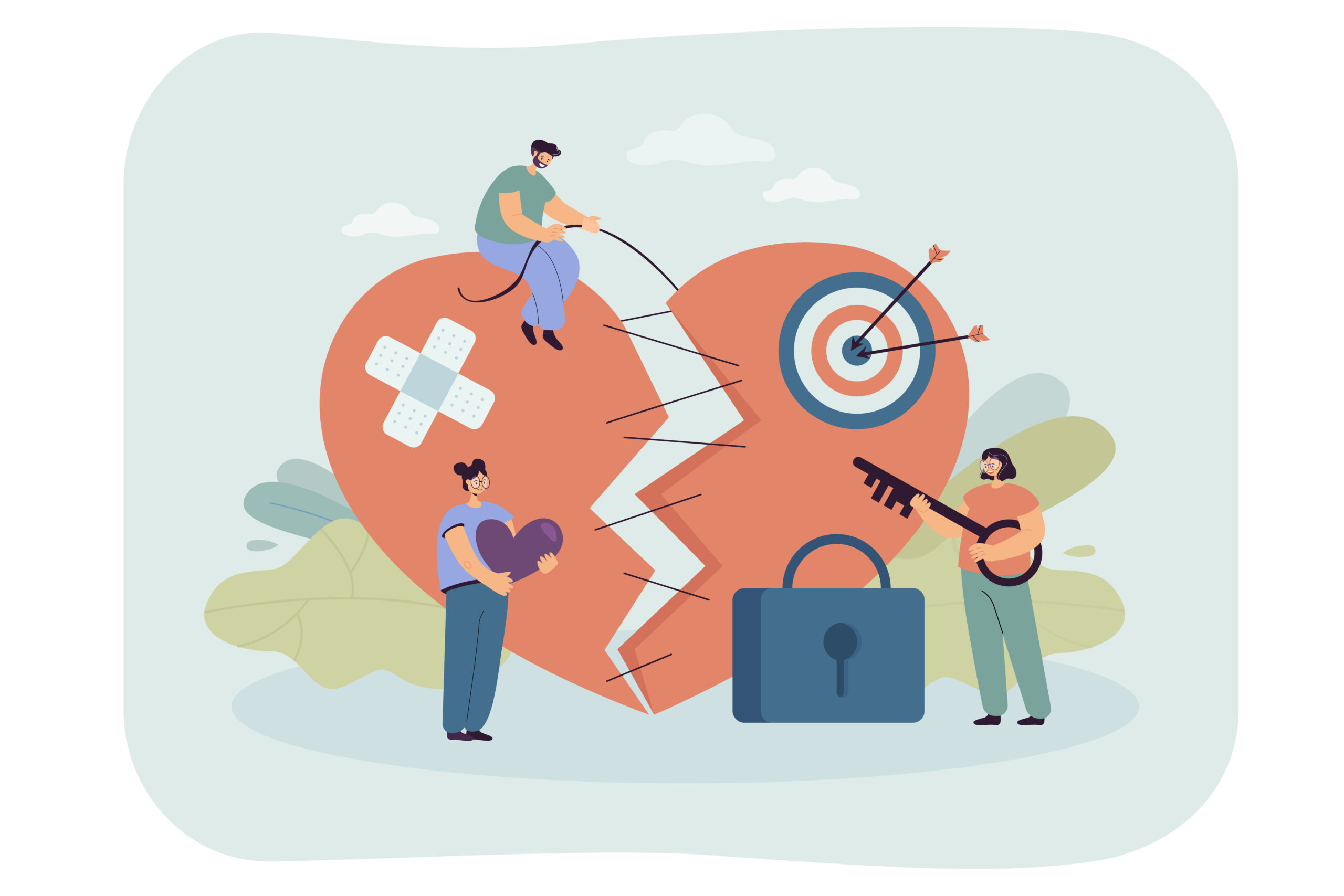

If you’re someone who works in a helping role—whether a doctor in an overstretched hospital, a counsellor supporting clients in crisis, or a teacher working with vulnerable students—you might find yourself asking, “Why do I feel so responsible? Why is it never enough?”
You’re not imagining the weight of what you carry. When the systems around you are underfunded, understaffed, or simply can’t meet the demands placed on them, it’s natural to feel like the responsibility falls on you to bridge the gap. You see patients who need care, clients who have nowhere to turn, or students who are falling through the cracks. And when you go home at the end of the day, you might carry guilt, asking yourself:
- “Did I do enough?”
- “What happens to them now?”
- “If I don’t do it, who will?”
These thoughts can feel relentless. They tug at your sense of purpose, leaving you stretched thin, questioning your effectiveness, and sometimes even resenting the role you once loved.
What It Feels Like to Carry This Weight
If you’re nodding along, it might feel like this article is describing you. You might recognise the experience of:
- Going home and replaying moments from the day, wondering if you could have done more.
- Feeling overwhelmed by the enormity of the needs around you, yet compelled to keep going.
- Resenting the systems that feel broken, while still trying to fix what you can.
- Wondering how to stop feeling guilty without feeling like you’re letting others down.
It’s exhausting to live in this space. It feels like an impossible standard you can never quite meet. And yet, finding balance isn’t about caring less—it’s about caring in ways that are sustainable.
Understanding Where This Responsibility Comes From
The drive to do more often stems from a combination of external pressures and internal beliefs. But there’s something unique about people who carry this sense of over-responsibility: They’re often very good at what they do.
Efficient but Overcritical
Many people who feel over-responsible are naturally efficient, resourceful, and capable. Even when they doubt themselves, they tend to be the ones others turn to because they get things done. But this efficiency comes at a cost—they may feel like they can’t stop scanning for flaws or anticipating problems.
Why? Because they may believe that if they stopped noticing flaws or didn’t hold themselves to high standards, everything would fall apart. Their critical eye—the ability to see what’s missing or what could go wrong—is part of what makes them so effective. But it’s also part of what leaves them feeling perpetually dissatisfied, as if nothing is ever truly “enough.”
Where Does This Sense of Responsibility Come From?
For some, the roots of over-responsibility can be traced back to childhood. You might have been the one keeping things together in a chaotic household, stepping in where adults fell short, or smoothing over conflicts. Over time, you may have learned to associate your worth with how much you could do for others.
But childhood isn’t the only place this pattern can begin. Significant life events, such as becoming a caregiver later in life, experiencing trauma or loss, or navigating relationships where you consistently carried others, can also create this dynamic. Societal or workplace pressures to “always go above and beyond” can reinforce the belief that being responsible means taking on more than your share. For naturally empathetic or perfectionistic individuals, the tendency to overextend may feel like a natural extension of who you are.
Ask yourself:
- Do you feel like you always need to take charge or fix things, even when it’s not your role?
- Were you praised for being “helpful” or “strong,” while your own needs were overlooked?
- Do you find yourself fearing rejection or guilt if you step back, or believing that things might fall apart without your effort?
Recognizing that this sense of responsibility can come from a combination of childhood roles, life experiences, personality traits, and societal expectations can help you see it in a new light—not as a flaw, but as a pattern you can work with and reshape.
Fear of Losing Control
Underlying this drive is often a fear of losing control or letting others down. If you don’t take on the responsibility, what happens? For many, the idea of stepping back feels like abandoning people who genuinely need support. This fear keeps the cycle going, even when it’s unsustainable.
Working With the Over-Responsible Part of Yourself
The part of you that feels over-responsible likely has good intentions. It wants to make a difference. It wants to ensure no one is left behind. But this part can also leave you feeling overwhelmed, drained, and guilty. Working with this part isn’t about dismissing it—it’s about understanding it, honouring its purpose, and finding a more sustainable way to channel its energy.
Pause and Reflect on Its Origins
Take a step back and ask:
- Where did I learn that being responsible for everything was my role?
- Was there a time in my life when stepping up felt necessary for survival, connection, or approval?
- Do I feel like my worth is tied to how much I can do or fix?
Often, the over-responsible part emerges from a time in our lives when we did need to take on more than we should have. Recognising these roots can help you start to question whether these beliefs still serve you today.
Take a Step Back to See the Bigger Picture
When you’re caught in the day-to-day pressures, it’s hard to see the broader impact of your work. Try asking yourself:
- What difference have I made in this role so far?
- If I continue at this pace, will I still be able to do this work in 5 years?
- Are there ways to approach this work that could make it more sustainable—for me and for the people I’m helping?
Sometimes, stepping back allows you to reconnect with why you got into this role in the first place. Was it to help others? To contribute to something meaningful? Reconnecting with your “why” can help you realign your efforts in ways that feel purposeful rather than driven by guilt.
Engage With the Over-Responsible Part
Instead of trying to dismiss or shut down this part of yourself, engage with it. Imagine it as a younger version of you or a protective voice that’s trying to keep you safe or ensure you’re making an impact. Ask it questions like:
- What are you afraid will happen if I step back?
- Are there times when your efforts were misunderstood or unrecognised? How does that feel?
- What would it look like to share some of this responsibility with others? Do you need strategic planning, problem solving, more staff, work less hours?
You may notice that this part is driven by fears: fear of being inadequate, fear of people falling through the cracks, fear of losing control. Acknowledge these fears without judgement. Say something like:
- “I hear you. It makes sense that you feel this way.”
- “You’re doing your best to protect what matters, and I appreciate that.”
Sometimes, it’s not about convincing this part that everything will be okay—it’s about letting it know that it’s not alone.
How Can You Respond in Those Moments?
In moments when guilt or over-responsibility creeps in, it’s natural for your mind to search for reassurance. While reframing your thoughts can sometimes help, it’s equally important to acknowledge and sit with the tension between your values—caring for others and caring for yourself.
Rather than trying to convince yourself you’ve “done enough,” consider a gentler, more compassionate approach:
- Acknowledge Your Feelings Without Judgment:
- “I notice I’m feeling guilty right now. That’s okay—it’s part of caring deeply.”
- This allows you to create space for the emotion without needing to fix or dismiss it.
- Reaffirm Both Sides of Your Values:
- “I value helping others, and I value taking care of myself so I can keep helping.”
- This statement honours the conflict and reminds you that self-care is a necessary part of sustaining your ability to give.
- Practice Defusion:
- When your mind says, “You should be doing more,” try responding with curiosity: “There’s that thought again. I see it, but I don’t have to act on it.”
- Treat the thought like passing clouds—acknowledge its presence, but let it drift without attaching to it.
- Ground Yourself in the Present:
- “Right now, I’ve done what I can, and I’ll focus on what’s within my control.”
- Shifting focus to the present moment helps reduce overwhelm and centres your energy on what’s manageable.
- Offer Yourself Self-Compassion:
- “This is hard, and I’m doing my best. It’s okay to need rest and support too.”
- Self-compassion isn’t about excusing yourself—it’s about recognizing your humanity and giving yourself the same care you’d offer someone else.
Honouring the Bigger Picture
It’s not about shutting down your thoughts or ignoring your values. It’s about creating room for imperfection, acknowledging the competing demands you face, and trusting that balance doesn’t mean abandoning your care for others—it means including yourself in that care.
Question the Sense of Sacrifice
A common thread in over-responsibility is the belief that sacrifice is necessary. But is it? Take a moment to reflect:
- What does sacrifice mean to me?
- Who benefits from me sacrificing my well-being, and at what cost?
- Is there a way to help others without abandoning myself?
These questions aren’t easy, but they can help you reframe the narrative that “caring” always means “sacrificing.”
Redefine “Enough”
When you’re in the thick of responsibility, it’s easy to lose sight of what “enough” looks like. Perfectionism whispers that you should do more, fix more, be more. But the reality is, even small actions create meaningful ripples.
Ask yourself:
- Did I listen to someone who needed support?
- Did I connect someone with a resource or provide a next step?
- Did I offer a moment of care, kindness, or stability?
When you reflect on your day, focus on the actions you did take rather than the overwhelming weight of what’s left undone. These small acts may not solve every problem, but they make a difference—and that’s enough.
The Garden Analogy
Imagine yourself as a gardener with limited water and nutrients. If you try to water every plant in an endless field, none will thrive, and you’ll exhaust yourself. But if you focus on a smaller, manageable garden, you create a thriving space that nourishes both you and those around you.
In practice, this means:
- Identifying the areas where your efforts make the biggest impact.
- Trusting others to step in where you can’t.
- Recognising that it’s okay to let some things go.
You can’t do it all, and that’s not a failing—it’s the reality of being human.
Celebrate Rest
One of the hardest lessons for over-responsible people is learning to prioritise rest without guilt. But rest isn’t indulgent—it’s essential. Without it, your ability to continue helping others diminishes over time.
Think of it this way: you wouldn’t expect a firefighter to keep running into burning buildings without taking time to recover. Your work, whatever it may be, requires the same principle.
Final Thoughts: You Are Enough
In caring roles, it’s easy to feel like you’re not doing enough, even when you’re giving everything you have. But the truth is, you’re not responsible for fixing the world—you’re responsible for doing your part with compassion and care.
By tending to what’s within your capacity, soothing the parts of yourself that feel overly responsible, and letting go of guilt, you create a sustainable way to continue showing up for the people and causes you care about.
The world doesn’t need you to do everything—it needs you to do what you can, with heart. And that is enough.
👥 Looking for a Therapist?
- Our skilled therapists are ready to assist you in exploring therapy options that cater specifically to your needs. Explore our team and find the right match for you here.
- Ready to book a session? You can do so directly through our website. If you prefer, you can also have a 15-minute compatibility consultation with one of our therapists to see if you’re a good fit by contacting us at [email protected]
🧘♀️ Free Course on Emotional Regulation
- “Navigating Your Emotional World”. This course offers valuable techniques and insights to help you better understand and manage your emotions.
📚 Check Out Our Free Resources
- For additional support, visit our Free Resources section, where you can download a variety of exercises and resources.