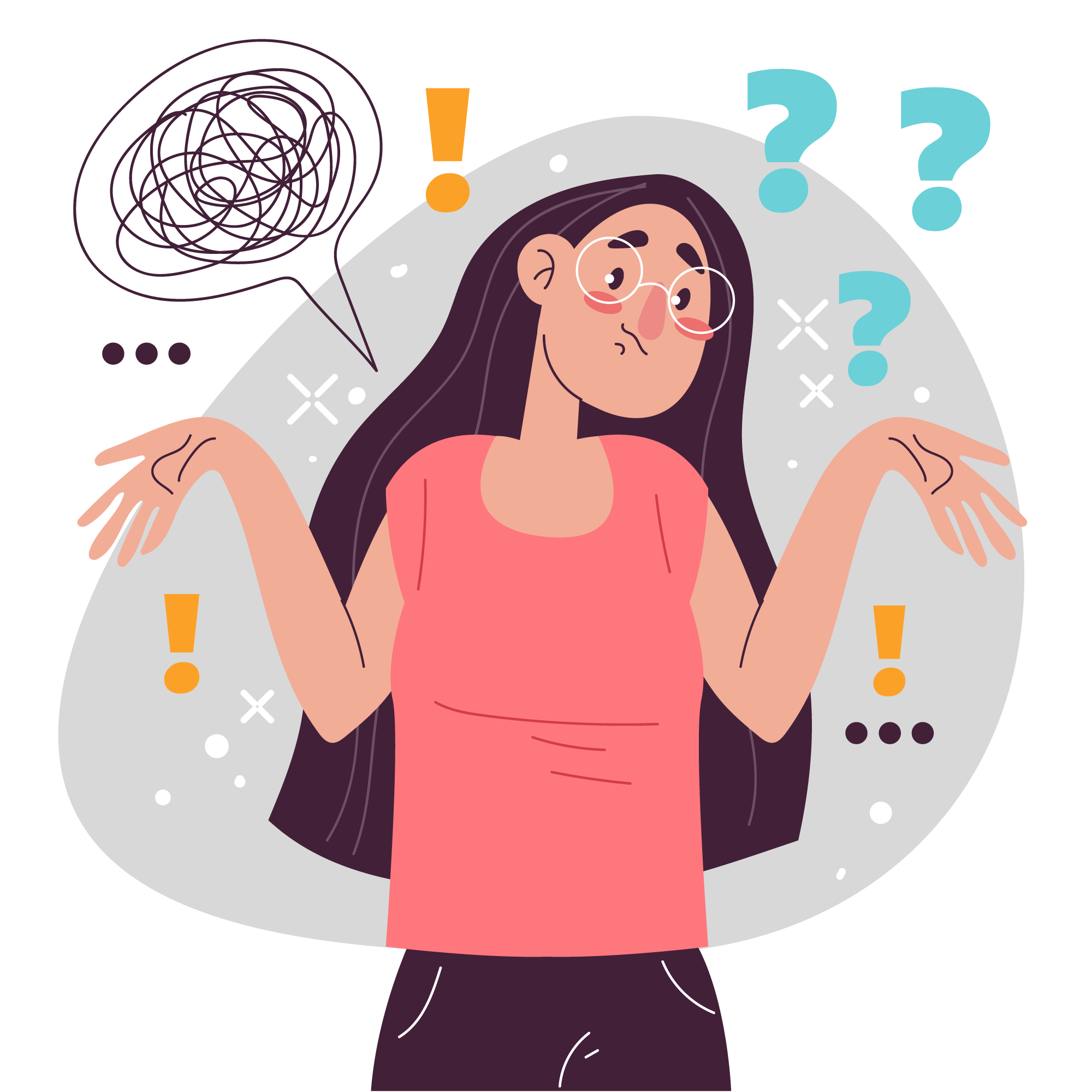
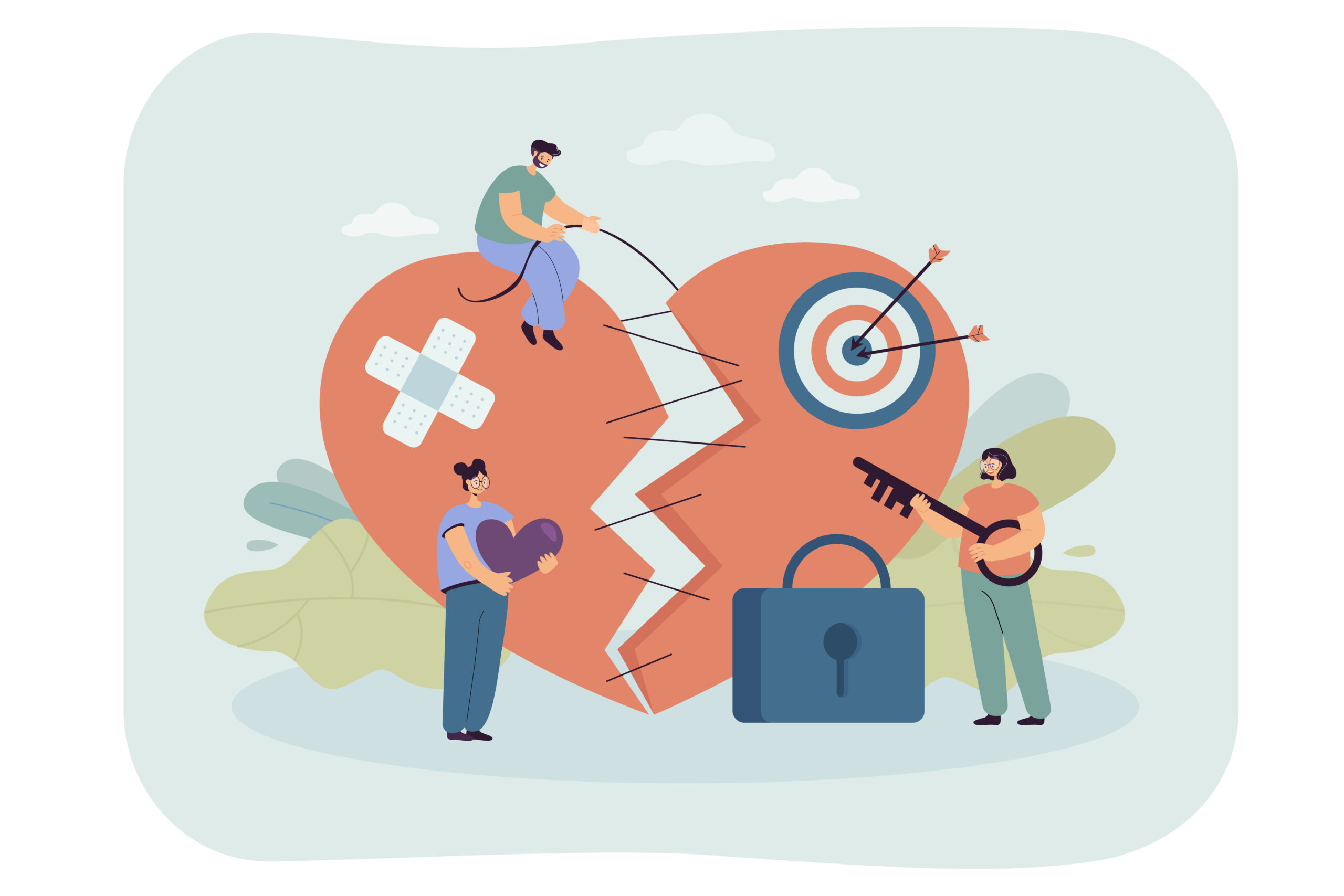
It’s a familiar scene in many relationships: the argument that starts small and suddenly escalates into a full-blown fight, leaving both partners feeling hurt and confused. Why does this happen, even over the little things? It’s time to peel back the layers and understand that these conflicts are often not about the apparent issues but about something much deeper.
It’s Not Really About the Dirty Dishes
So, you’re standing there, looking at the pile of dishes your partner promised to clean. The frustration bubbles up, and before you know it, you’re in the midst of an argument. But let’s pause and ask: is it really about the dishes? Or is it about what those dishes represent?
Underneath these squabbles lies a web of emotions and unmet needs that are the true culprits of our distress. When we recognize that our fights are often not about the surface issues, we can begin to address the real problems and work towards resolution and understanding.
The Three Core Conflict Types in Relationships
Most of our relationship arguments fall into three main categories, each reflecting deeper needs and fears:
1. Power and Control Conflicts
These are about autonomy and influence within the relationship. Consider a scenario where one partner always decides the weekend plans without consulting the other. The underlying issue isn’t just about the plans themselves; it’s about feeling respected and having an equal say in the relationship. Or perhaps one partner feels like they’re always the one compromising, leading to a fight that’s actually about seeking a balance of power.
Power and control issues can surface when one partner feels dominated or overshadowed by the other. Here’s how such conflicts might manifest:
- “I feel like I never get to make decisions about how we spend our weekends. It’s always what you want to do.”
- “Whenever I suggest a budget, you dismiss it. Don’t I have a say in our finances?”
- “Why is it that you dictate when we should have family visits? I feel like my preferences don’t matter to you.”
2. Care and Closeness Conflicts
These conflicts arise from our need for affection and emotional security. Imagine one partner habitually forgets to call when they’ll be late. The ensuing argument might seem to be about punctuality, but at its core, it’s about feeling cared for and prioritized. Another example is when one partner feels like they’re the only one initiating affection or conversation, leading to conflicts centered around emotional connection and presence.
Conflicts about care and closeness often occur when there’s a perceived lack of attention or emotional support. Here are examples of what might be expressed:
- “It seems like you’re always busy with work. I just wish we could have some time where it’s just us, without distractions.”
- “Do I always have to be the one who initiates intimacy? Sometimes I feel like you’re not attracted to me anymore.”
- “You always go to your mom for advice. It hurts that you don’t seem to value my input on important matters.”
3. Respect and Recognition Conflicts
Everyone has a desire to feel appreciated and valued. When one partner feels their efforts go unnoticed – whether it’s managing the household, excelling at work, or making personal sacrifices – it can lead to a fight that’s truly about acknowledgment and validation. For instance, if one partner cooks dinner every night but the other never acknowledges the effort, the fight that erupts might be less about the meal and more about the need for appreciation.
When one partner feels underappreciated or overlooked, conflicts regarding respect and recognition can arise. These might sound like:
-
- “I managed to get the kids ready and out the door every morning this week, and not once did you say thank you.”
- “I’ve been working overtime to contribute to our vacation fund, but you haven’t acknowledged the effort I’m putting in.”
- “When you ignore my opinions in front of our friends, it makes me feel invisible and disrespected.”
Transforming Conflict into Connection
Once we understand the type of conflict we’re experiencing, we can start to transform our arguments into opportunities for deeper connection and understanding. This involves:
- Communicating effectively: Share feelings without blame. Say, “I feel unimportant when you don’t acknowledge what I do for our home,” instead of, “You never thank me for anything.”
- Validating each other’s feelings: Acknowledge that both partners have legitimate feelings and perspectives. A simple, “I see why you’d feel that way,” can de-escalate tension.
- Fostering empathy: Try to see the situation from your partner’s point of view. This can reveal new insights and soften your response.
- Building solutions together: Collaborate on how to meet each other’s needs. For the partner who feels unheard in planning, it could be as simple as setting aside time each week to discuss and agree on weekend activities.
Remember, the goal isn’t to eliminate conflicts entirely – that’s unrealistic and not necessarily healthy. Instead, we aim to understand the deeper meanings behind our fights and to learn from them, using them as stepping stones toward a stronger and more empathetic partnership.
In conclusion, our relationship conflicts often stem from unaddressed emotional needs and fears. By recognizing these patterns and understanding the core issues – power and control, care and closeness, respect and recognition – we can begin to approach our disagreements with more empathy and insight. This perspective doesn’t just help us argue less; it helps us love better.
Take the Next Step Towards Healthier Relationships
Feeling stuck in a cycle of conflict can be draining and disheartening. But you don’t have to navigate these choppy waters alone. If you’re ready to explore these challenges with a compassionate and experienced professional, our team is here to support you.
👥 Connect with a Therapist: Don’t let conflict define your relationships. Book a session with one of our skilled therapists today and start the journey toward understanding and resolution. Begin by visiting Meet Our Therapists to find the right match for you.
📚 Learn at Your Own Pace: If you’re not quite ready for therapy but want to deepen your understanding of relationship dynamics, our free mini-course is an excellent resource. Dive into “Attachment Theory in Practice” at your convenience, and gain insights that can pave the way for more meaningful connections.
Whether you choose to reach out for personalized guidance or start with self-paced learning, taking action is the first step towards transforming conflict into connection.
This exploration of core conflict types within relationships is informed by the foundational work of couples therapy researcher Dr. Howard Markman, highlighting the significance of effective communication and conflict management for relational well-being